The Manchester Town Hall stands as a monumental testament to the city’s rich history and architectural prowess. Completed in 1877, this neo-Gothic masterpiece was designed by the architect Alfred Waterhouse, who infused the building with intricate details that reflect the Victorian era’s grandeur. The façade is adorned with a plethora of sculptures and carvings, showcasing figures from Manchester’s past, including notable local figures and allegorical representations of virtues such as justice and industry.
The clock tower, affectionately known as “The Clock of Manchester,” rises to a height of 87 metres, making it one of the tallest structures in the city. Its chimes have become synonymous with the heartbeat of Manchester, marking the passage of time for generations. Inside, the Town Hall is equally impressive, featuring a grand hall that boasts stunning stained glass windows and a magnificent ceiling adorned with intricate plasterwork.
The Great Hall, with its soaring arches and elaborate woodwork, serves as a venue for civic events and celebrations. The building has not only been a centre for local governance but also a symbol of Manchester’s resilience and community spirit. Following extensive renovations that began in 2017, the Town Hall is set to reopen, ensuring that this iconic structure continues to play a vital role in the city’s cultural and civic life.
The Historic Manchester Cathedral
A Rich and Layered History
The building’s history is rich and layered, having survived the tumultuous events of the English Civil War and the bombings of World War II. Throughout the centuries, the cathedral has undergone numerous restorations and renovations, yet it still maintains its original charm and character.
Architectural Marvel
The cathedral’s Gothic architecture is a sight to behold, with its intricate stone carvings, stunning stained-glass windows, and imposing stone pillars. Visitors can marvel at the impressive nave, which stretches 95 metres in length, making it one of the longest in the country.
A Place of Worship and Community
Today, Manchester Cathedral remains a place of worship and community, hosting various services and events throughout the year. Visitors are welcome to attend a service, take a guided tour, or simply sit in quiet contemplation, taking in the beauty and history of this magnificent building.
The interior of the cathedral is equally captivating, featuring a blend of medieval and modern elements. The intricate woodwork of the choir stalls and the beautifully carved stonework create an atmosphere of reverence and tranquillity. Visitors can explore the various chapels, each with its own unique character and history.
The cathedral also serves as a cultural hub, hosting concerts, art exhibitions, and community events that reflect Manchester’s diverse population. Its role extends beyond that of a place of worship; it is a gathering point for people from all walks of life, embodying the spirit of unity that defines this vibrant city.
The Vibrant Northern Quarter
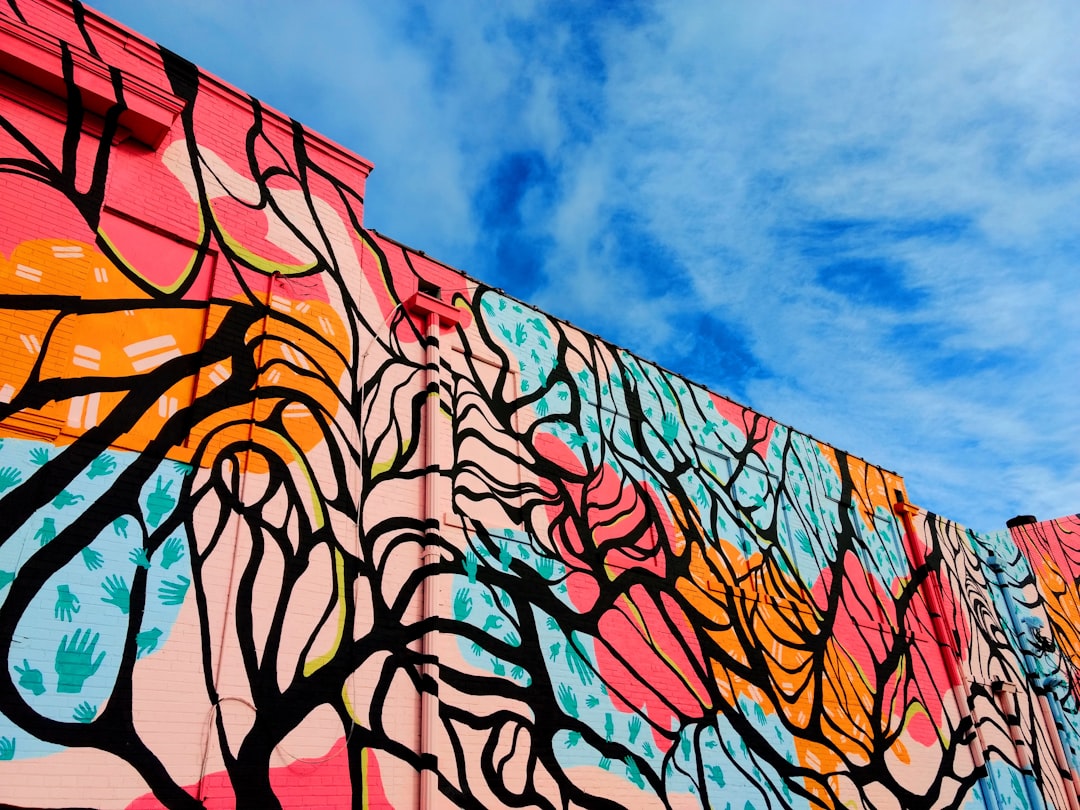
The Northern Quarter is often regarded as the creative heart of Manchester, pulsating with energy and artistic expression. This eclectic neighbourhood is characterised by its independent shops, vintage boutiques, and an array of cafés and bars that cater to every taste. The streets are lined with striking street art and murals that tell stories of the city’s cultural heritage, making it a canvas for local artists to showcase their talents.
The area has undergone significant transformation over the years, evolving from its industrial roots into a thriving hub for creativity and innovation. One cannot visit the Northern Quarter without experiencing its vibrant music scene. Venues such as Band on the Wall and The Castle Hotel host live performances that span genres from indie rock to electronic music.
The annual Manchester International Festival often features events in this area, further solidifying its reputation as a cultural hotspot. Additionally, the Northern Quarter is home to numerous record shops and art galleries, providing a platform for emerging artists and musicians to gain exposure. This neighbourhood encapsulates the essence of Manchester’s spirit—bold, diverse, and unapologetically unique.
The Impressive Beetham Tower
Rising majestically above the Manchester skyline, Beetham Tower is an architectural marvel that has become synonymous with modern Manchester. Completed in 2006, this skyscraper stands at 168 metres tall, making it one of the tallest buildings in the United Kingdom outside London. Designed by architect Ian Simpson, Beetham Tower features a distinctive glass façade that reflects the changing light throughout the day, creating a dynamic visual experience for onlookers.
Its sleek lines and contemporary design contrast sharply with the historic buildings that surround it, symbolising Manchester’s blend of old and new. The tower houses a luxury hotel on its lower floors, while residential apartments occupy the upper levels, offering breathtaking views of the cityscape. The Sky Bar on the 23rd floor is particularly popular among locals and tourists alike, providing an unparalleled vantage point from which to admire Manchester’s sprawling urban landscape.
Beetham Tower not only serves as a functional space but also as an iconic landmark that represents Manchester’s ambition and forward-thinking ethos. Its presence on the skyline is a reminder of the city’s evolution into a modern metropolis while still honouring its rich historical roots.
The Fascinating Manchester Museum
Exhibits and Collections
One of its most notable exhibits is the fossilised remains of a T-Rex named “Stan,” which has captivated audiences since its arrival. In addition to its permanent collections, the museum hosts temporary exhibitions that explore contemporary issues through an academic lens. These exhibitions often feature collaborations with local artists and communities, fostering dialogue around topics such as climate change and cultural identity.
Education and Community Engagement
The museum also offers workshops and educational programmes aimed at engaging younger audiences, ensuring that knowledge is shared across generations. With its commitment to inclusivity and education, the Manchester Museum stands as a beacon of learning in the heart of the city.
A Hub of Learning and Discovery
Through its diverse exhibits, educational programmes, and community engagement initiatives, the Manchester Museum is a vibrant hub of learning and discovery, inspiring visitors of all ages to explore, learn, and grow.
The Famous Old Trafford Stadium
Old Trafford Stadium is not just a sports venue; it is an institution that embodies the passion and pride of Manchester United Football Club. Opened in 1910, this iconic stadium has witnessed countless historic moments in football history, earning it the nickname “The Theatre of Dreams.” With a seating capacity of over 74,000, it is one of the largest stadiums in Europe and has hosted numerous high-profile matches, including FA Cup finals and international fixtures. The atmosphere on match days is electric, with fans from around the world converging to support their team.
Beyond football matches, Old Trafford serves as a cultural landmark for Manchester. The stadium offers guided tours that take visitors behind the scenes to explore areas such as the players’ tunnel, dressing rooms, and pitchside views. The museum located within the stadium showcases memorabilia that chronicles the club’s illustrious history, including trophies won and legendary players who have donned the famous red jersey.
For many fans, visiting Old Trafford is a pilgrimage; it represents not just a love for football but also a deep connection to Manchester’s identity.
The Beautiful Heaton Park
Heaton Park is one of Manchester’s largest green spaces, offering a serene escape from the hustle and bustle of urban life. Spanning over 600 acres, this park is home to lush gardens, woodlands, and even an animal farm, making it an ideal destination for families and nature enthusiasts alike. Established in 1772 as part of a country estate, Heaton Park retains much of its historical charm while providing modern amenities such as playgrounds and picnic areas.
The park’s expansive lawns are perfect for leisurely strolls or outdoor activities like frisbee or kite flying. In addition to its natural beauty, Heaton Park hosts various events throughout the year that draw crowds from across Greater Manchester. Concerts featuring renowned artists often take place in its open spaces during summer months, creating a vibrant atmosphere filled with music and laughter.
Seasonal festivals celebrate local culture and traditions, further enhancing Heaton Park’s role as a community hub. Whether one seeks solitude amidst nature or wishes to engage in lively festivities, Heaton Park caters to all preferences while showcasing Manchester’s commitment to preserving green spaces.
The Charming Salford Quays
Salford Quays represents a remarkable transformation from its industrial past into a thriving waterfront destination that combines culture, leisure, and commerce. Once an integral part of Manchester’s shipping industry during the 19th century, this area has undergone significant redevelopment over recent decades. Today, it boasts modern architecture alongside historical remnants that tell stories of its maritime heritage.
The Quays are home to attractions such as The Lowry theatre and gallery complex which showcases contemporary art alongside performances ranging from ballet to musicals. The waterfront itself offers picturesque views ideal for leisurely walks or cycling along designated paths. Visitors can enjoy dining at various restaurants overlooking the water or take boat tours that provide unique perspectives on this revitalised area.
Salford Quays also hosts events like food festivals and outdoor cinema screenings during summer months which foster community engagement while celebrating local talent. This blend of culture and leisure makes Salford Quays not only an attractive destination but also an embodiment of Manchester’s innovative spirit as it continues to evolve while honouring its rich history.
If you’re planning a trip to Manchester to explore its must-see landmarks, you might also be interested in learning about the city’s influential business leaders. Check out this article for profiles and insights on the key figures shaping Manchester’s business landscape. Additionally, immerse yourself in Manchester’s vibrant cultural scene by attending some of the city’s cultural events and festivals. For more information on what’s happening in Manchester, take a look at this guide. And don’t forget to visit the best museums and galleries in Manchester to further enrich your experience in this dynamic city. Find out more about these cultural institutions in this guide.
FAQs
1. What are the must-see landmarks in Manchester?
The 10 must-see landmarks in Manchester are the Manchester Cathedral, the John Rylands Library, the Manchester Town Hall, the Science and Industry Museum, the Old Trafford Stadium, the Beetham Tower, the Imperial War Museum North, the Manchester Art Gallery, the Albert Square, and the Chinatown.
2. What is the Manchester Cathedral known for?
The Manchester Cathedral is known for its stunning Gothic architecture, beautiful stained glass windows, and its historical significance as a place of worship and reflection in the heart of the city.
3. What can visitors expect to see at the Science and Industry Museum in Manchester?
Visitors can expect to see a wide range of exhibits showcasing Manchester’s industrial heritage, including displays on textiles, transport, and the city’s role in the Industrial Revolution.
4. What is the significance of the Old Trafford Stadium in Manchester?
Old Trafford Stadium is the home of Manchester United Football Club and is one of the most iconic football stadiums in the world. It has a rich history and is a must-see for football fans.
5. What is the Beetham Tower known for?
The Beetham Tower is known for being the tallest building in Manchester and for its unique, modern design. It offers stunning views of the city from its observation deck.
6. What can visitors expect to see at the Imperial War Museum North?
Visitors can expect to see powerful exhibits and collections that explore the impact of modern conflicts on people and society. The museum’s striking building, designed by architect Daniel Libeskind, is also a notable landmark in itself.
7. What is the Manchester Art Gallery known for?
The Manchester Art Gallery is known for its extensive collection of fine art, including works by renowned artists such as Pre-Raphaelite painters and European masters. It also hosts temporary exhibitions and events.
8. What is the significance of Albert Square in Manchester?
Albert Square is a public square in the city center of Manchester and is surrounded by important civic buildings, including the Manchester Town Hall. It is a hub for events, markets, and gatherings.
9. What makes Chinatown in Manchester a must-see landmark?
Chinatown in Manchester is the second largest in the United Kingdom and is known for its vibrant atmosphere, authentic Chinese restaurants, and beautiful decorative arch. It offers a unique cultural experience in the heart of the city.
10. Are these landmarks easily accessible to visitors in Manchester?
Yes, all of these landmarks are easily accessible to visitors in Manchester, with many of them located in the city center and within walking distance of each other. Public transportation and guided tours are also available for those who prefer not to walk.