
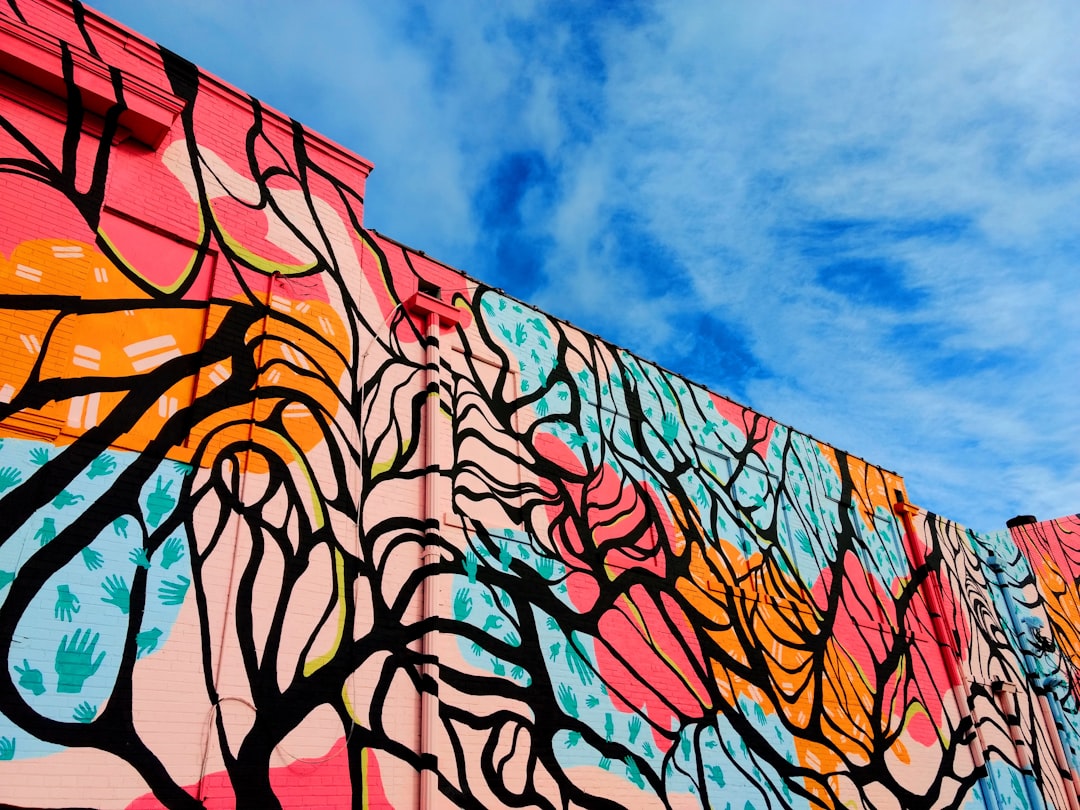
Manchester’s street art scene is a vibrant tapestry of creativity, reflecting the city’s rich industrial heritage and its dynamic cultural landscape. The streets of this northern powerhouse are adorned with murals, graffiti, and installations that tell stories of social issues, personal experiences, and the collective identity of its inhabitants. Artists from various backgrounds converge here, transforming blank walls into canvases that provoke thought and inspire dialogue.
The city has become a canvas for both local talent and international artists, making it a focal point for street art enthusiasts. The evolution of street art in Manchester can be traced back to the late 20th century when graffiti began to emerge as a form of expression among the youth. Over the years, this form of art has matured, evolving from simple tags to intricate murals that showcase a range of styles, from photorealism to abstract forms.
The city’s commitment to supporting public art has fostered an environment where creativity can flourish, leading to the establishment of various initiatives aimed at promoting street art as a legitimate art form. This has resulted in a diverse array of works that not only beautify the urban landscape but also challenge societal norms and encourage community engagement.
Uncovering the Best Street Art Hotspots in Manchester
The Vibrant Hub of the Northern Quarter
The Northern Quarter stands out as a vibrant hub for street art, where every corner reveals a new masterpiece. This area is characterised by its eclectic mix of independent shops, cafes, and bars, all of which serve as backdrops for stunning murals. Notable works include those by renowned artists such as Akse P19, whose striking portraits capture the essence of local figures and cultural icons. The Northern Quarter is not just a place to view art; it is an experience that immerses visitors in the creative spirit of the city.
The Regenerated Landscape of Ancoats
Another significant location is Ancoats, an area that has undergone significant regeneration in recent years. Here, the juxtaposition of old industrial buildings and contemporary street art creates a unique atmosphere. The murals in Ancoats often reflect themes of community and resilience, echoing the area’s transformation from a once-neglected part of the city into a thriving neighbourhood. The works found here are often collaborative efforts, showcasing the synergy between artists and local residents.
Uncovering Manchester’s Identity
Exploring these hotspots provides insight into the narratives that shape Manchester’s identity, making each mural a chapter in the city’s ongoing story.
Meeting the Artists Behind the Murals
One of the most enriching aspects of Manchester’s street art scene is the opportunity to meet the artists behind the murals. Many of these creators are deeply rooted in the local community and are eager to share their stories and inspirations. Engaging with artists can provide a deeper understanding of their work, revealing the thought processes and motivations that drive their creativity.
For instance, artists like Eoin O’Connor often incorporate elements of humour and whimsy into their pieces, drawing from personal experiences and observations of everyday life. Moreover, many artists are committed to using their platforms to address social issues, such as mental health awareness or environmental concerns. By speaking directly with these creators, one can gain insight into how their backgrounds influence their art and how they hope to impact society through their work.
Events such as open studio days or artist talks offer invaluable opportunities for interaction, allowing enthusiasts to connect with the very individuals who shape Manchester’s artistic landscape. These encounters not only humanise the art but also foster a sense of community among artists and admirers alike.
Understanding the History and Culture of Street Art in Manchester
The history of street art in Manchester is intertwined with the city’s industrial past and its evolution as a cultural hub. The late 1970s and early 1980s saw the rise of graffiti as a form of rebellion among youth, often associated with punk culture and anti-establishment sentiments. As the city faced economic challenges during this period, street art emerged as a voice for those who felt marginalised.
Over time, this form of expression gained legitimacy, evolving into a recognised art movement that reflects broader societal changes. In recent years, Manchester has embraced street art as an integral part of its cultural identity. The establishment of initiatives such as the Manchester International Festival has provided platforms for artists to showcase their work on a global stage.
Additionally, local councils have recognised the potential of street art to enhance urban spaces and engage communities. This shift in perception has led to collaborations between artists and local authorities, resulting in projects that celebrate Manchester’s heritage while addressing contemporary issues. Understanding this historical context enriches one’s appreciation for the artworks scattered throughout the city, revealing layers of meaning that resonate with both locals and visitors.
Participating in Street Art Tours and Workshops
For those eager to delve deeper into Manchester’s street art scene, participating in guided tours or workshops can be an enlightening experience. Various organisations offer tours that take participants through key areas like the Northern Quarter and Ancoats, providing insights into the stories behind specific murals and the artists who created them. These tours often include anecdotes about the city’s history and cultural significance, enhancing one’s understanding of the urban landscape.
Workshops provide an opportunity for individuals to engage with street art on a more personal level. Led by experienced artists, these sessions often cover techniques such as spray painting or stencil creation, allowing participants to explore their creativity while learning about the tools and methods used in street art. Such experiences not only foster artistic skills but also encourage collaboration among participants, creating a sense of community within the workshop environment.
By immersing oneself in these activities, one can gain a newfound appreciation for the craft and its role in shaping Manchester’s identity.
Supporting the Local Street Art Community
Supporting Manchester’s local street art community is essential for fostering creativity and ensuring its continued growth. One way to do this is by attending exhibitions or events that showcase local talent. Many galleries in Manchester host shows dedicated to street art, providing artists with a platform to display their work in more traditional settings.
Purchasing artwork directly from artists or participating in crowdfunding campaigns for public art projects can also contribute to sustaining this vibrant scene. Additionally, engaging with local businesses that support street art can have a significant impact. Many cafes and shops collaborate with artists to display their work or host events that celebrate creativity.
By frequenting these establishments, patrons not only enjoy unique atmospheres but also contribute to a culture that values artistic expression. Social media plays a crucial role in supporting local artists as well; sharing their work online helps amplify their reach and connects them with wider audiences who appreciate their contributions to Manchester’s cultural landscape.
Documenting and Sharing Your Street Art Discoveries
As you explore Manchester’s streets adorned with captivating murals and graffiti, documenting your discoveries can be both rewarding and inspiring. Many enthusiasts take to social media platforms like Instagram or TikTok to share their favourite pieces, creating visual narratives that highlight the city’s artistic diversity. Capturing images of murals not only preserves these fleeting artworks but also allows others to discover them through your lens.
Creating a blog or online portfolio dedicated to your street art explorations can further enhance your engagement with this vibrant community. By writing about your experiences, sharing artist interviews, or discussing specific themes within the artwork you encounter, you contribute valuable content that enriches the broader conversation around street art in Manchester. This documentation serves not only as a personal archive but also as a resource for others interested in exploring the city’s artistic landscape.
Preserving and Protecting Manchester’s Street Art Heritage
As Manchester’s street art scene continues to evolve, preserving its heritage becomes increasingly important. Many murals are ephemeral by nature; they may be painted over or deteriorate over time due to weather conditions or urban development. Initiatives aimed at documenting these works through photography or video can help create an archive that celebrates their significance within the city’s cultural narrative.
Local councils and community organisations play a vital role in protecting street art by recognising its value as part of Manchester’s identity. Policies that support public art initiatives or designate specific areas for creative expression can help ensure that future generations have access to this vibrant form of artistic expression. Engaging with local advocacy groups focused on preserving public art can amplify efforts to protect these works from erasure while fostering dialogue about their importance within the community.
In conclusion, Manchester’s street art scene is not merely an aesthetic addition to its urban landscape; it is a living testament to the city’s history, culture, and community spirit. By exploring its depths through tours, workshops, and interactions with artists, one can gain profound insights into this dynamic form of expression while actively contributing to its preservation for future generations.
If you are interested in delving deeper into the history of Manchester, you should check out the article Comprehensive History of Manchester. This article provides a detailed look at the city’s past, offering insights into its development and growth over the years. Understanding the history of Manchester can give you a greater appreciation for the hidden street art scene that the city has to offer.
FAQs
What is Manchester’s hidden street art scene?
Manchester’s hidden street art scene refers to the lesser-known, often hidden, and off-the-beaten-path street art and graffiti scattered throughout the city. These artworks are not as widely publicized as the more famous pieces, but they are just as impressive and worth discovering.
Where can I find Manchester’s hidden street art?
Manchester’s hidden street art can be found in various locations throughout the city, including the Northern Quarter, Ancoats, and the city center. Many of these artworks are tucked away in alleyways, on side streets, and in less frequented areas, so it’s worth exploring off the main thoroughfares.
How can I discover Manchester’s hidden street art scene?
To discover Manchester’s hidden street art scene, you can take a self-guided walking tour of the city, keeping an eye out for hidden gems as you explore different neighborhoods. Alternatively, you can join a guided street art tour led by a local expert who can provide insight into the artworks and the artists behind them.
Is it legal to view Manchester’s street art?
In general, viewing street art in Manchester is legal, as long as you are respectful of the artwork and the surrounding property. However, it’s important to note that creating graffiti or street art without permission is illegal and can result in fines or other penalties.
What are some notable pieces of hidden street art in Manchester?
Some notable pieces of hidden street art in Manchester include murals, stencils, and graffiti created by both local and international artists. Specific artworks may come and go, but popular spots for hidden street art include Stevenson Square, the backstreets of the Northern Quarter, and the canal towpaths in Ancoats.


